
Arkansas Continues to Rank Highest in the Nation for Food Insecurity: What It Means for Families and Why Action Matters Now
By Sylvia Blain, CEO, Arkansas Hunger Relief Alliance
The data is sobering and, for Arkansas, deeply troubling.
The newly released Household Food Security in the United States report confirms what families and communities across our state already know: Arkansas continues to face the highest rate of food insecurity in the nation, and the situation is worsening.
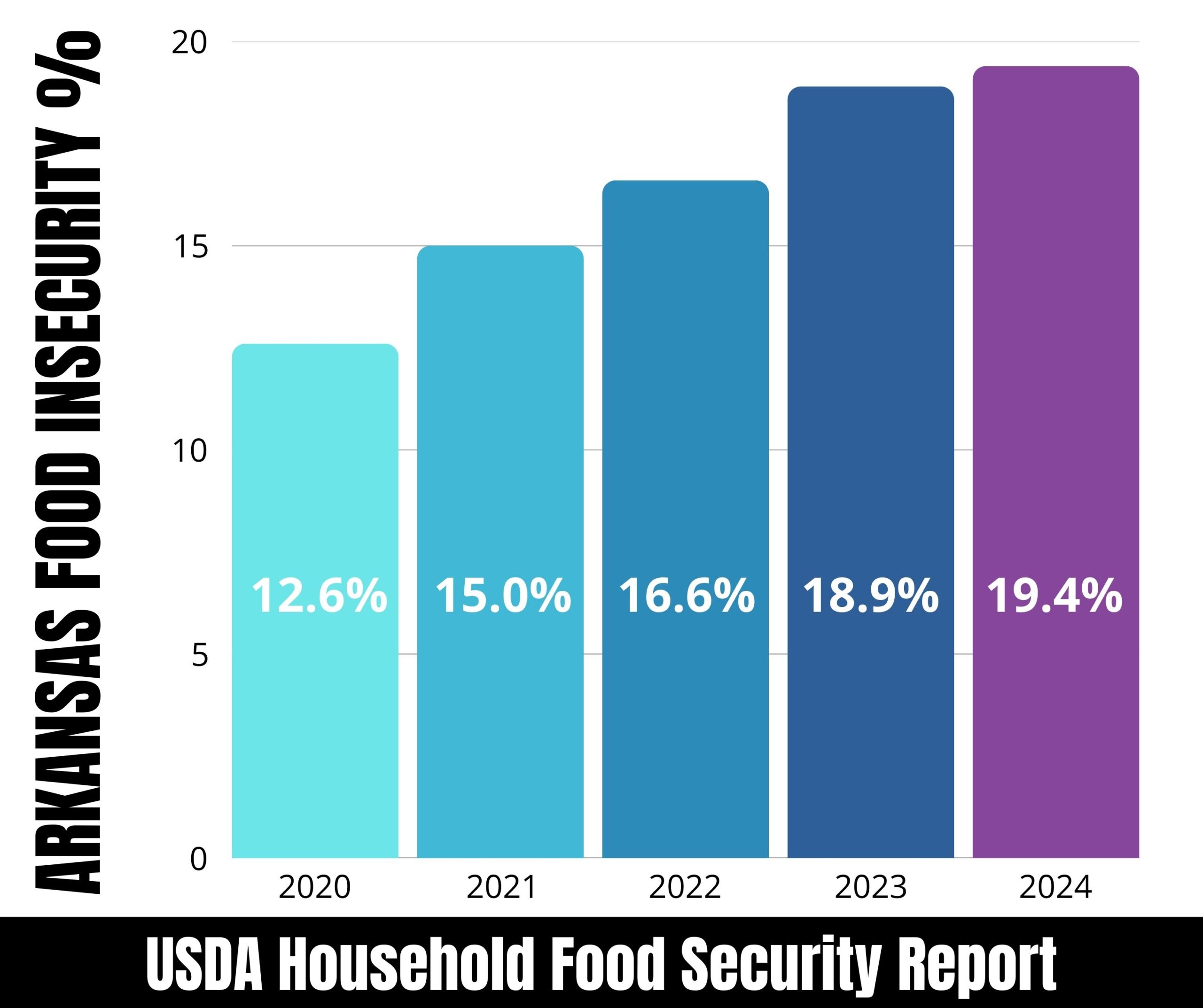
Based on the most recent three-year average (2022–2024), 19.4 percent of Arkansas households experienced food insecurity, up from 18.9 percent just one year ago. Nearly one in five families in our state struggle to consistently access enough nutritious food. While the increase may appear small, it represents thousands more Arkansans forced to make impossible choices between groceries and rent, food and medication, dignity and survival.
But food insecurity is not just a number on a page.
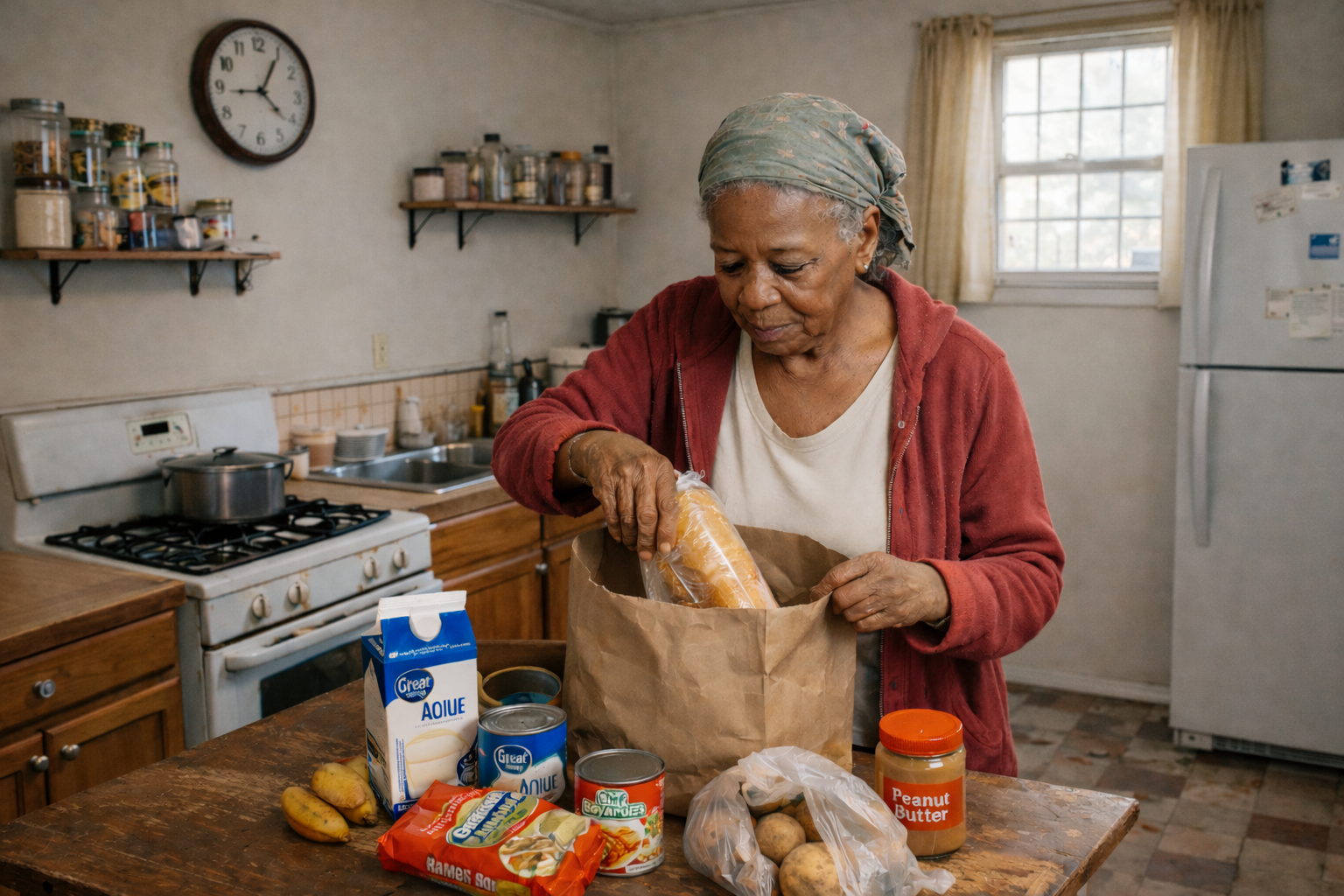
It is a grandmother making a quiet phone call because she has taken in her grandchildren and doesn’t know how she will feed them. After addiction made it impossible for their mother to care for them, she stepped in, only to find herself just over the income limit for assistance. Close enough to fall through the cracks but not close enough to be safe. With support from our team, she was able to enroll in SNAP, ensuring food for herself and her grandchildren. That support did more than provide groceries; it gave her stability in a moment of crisis and allowed two children to remain with someone who loved them.
This is what food insecurity looks like in Arkansas.
It looks like a man newly released from prison who had recently suffered a stroke, alone, with no furniture, no food, and no support system. He told our staff he drank two glasses of water at night just to quiet the hunger pains enough to sleep. When errors in his information delayed benefits, we didn’t stop at reassurance. We met him in person. We helped him buy groceries. We walked with him through the process until the issue was fixed.
Later, in a chance encounter with the staff member who had walked him through one of the worst moments of his life, he broke down in tears, not because he was hungry anymore, but because someone had believed he was worth helping when he had nothing.
This is why the increase from 18.9 percent to 19.4 percent matters.

Food insecurity in Arkansas is not confined to one region or one type of community. Families in both rural and urban areas face barriers such as long distances to grocery stores, lack of reliable transportation, and limited availability of affordable, healthy food options. In many parts of the state, access, not just affordability, determines whether a family can maintain a nutritious diet.
The impact is far-reaching. Food insecurity affects children’s ability to learn, seniors’ ability to age safely, and families’ ability to remain stable, especially as they navigate rising costs for housing, utilities, and transportation.
Federal nutrition programs such as SNAP, WIC, and school meals remain essential tools in helping families meet their basic needs. These programs reduce hunger, support child development, and strengthen local economies. But emergency assistance alone cannot solve a challenge of this scale. Access and navigation matter just as much. Too often, families don’t need more information, they need someone to walk beside them through the system.
That is why the Arkansas Hunger Relief Alliance works alongside the State of Arkansas and the Governor’s office, the six Feeding America food banks serving our state, nearly 500-member food pantries, and national partners including FRAC, MAZON, Share Our Strength, and the American Heart Association. Together, we are focused on making help not only available, but reachable. Our work includes strengthening nutrition assistance programs, expanding food access, investing in food-as-medicine strategies, and supporting local food systems.
In a recent conversation with my colleague Jennifer Owens Buie, our Chief Development Officer, we reflected on what Arkansas’s continued ranking really demands of us. It is not a verdict, but a call to action. Ending hunger requires sustained investment and shared responsibility across philanthropy, policy, and community partnerships. When those efforts align, we can strengthen food access, scale proven solutions, and address the root causes of food insecurity.
Arkansas’s ranking should challenge us, but it should also remind us of what is possible when communities respond with compassion and commitment. Hunger is not inevitable. It is solvable when neighbors look out for one another, when systems work as they should, and when people are met with dignity instead of judgment.
Every statistic represents a person waiting for someone to show up.
The question before us is simple, and urgent: Will we?