

Hunger in Arkansas is a complex issue that affects communities in every region of our state. This resource center brings together data, research, and key insights to help you better understand food insecurity, its causes, and its impact on Arkansas families. Explore the facts, discover trends, and learn more about the challenges and opportunities shaping food access across Arkansas.

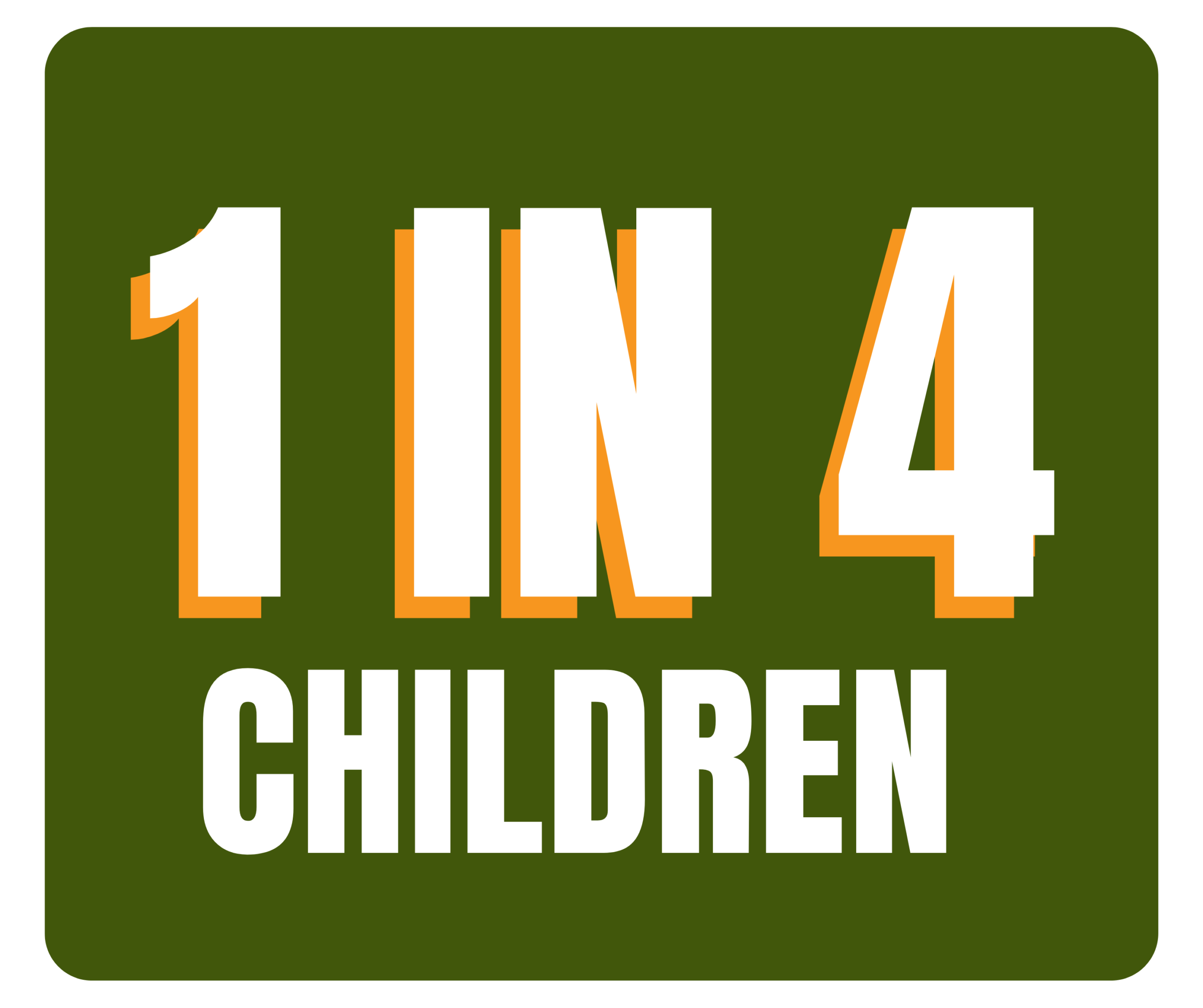
struggle with food insecurity, lacking reliable access to enough affordable, nutritious food to support a healthy and active life.

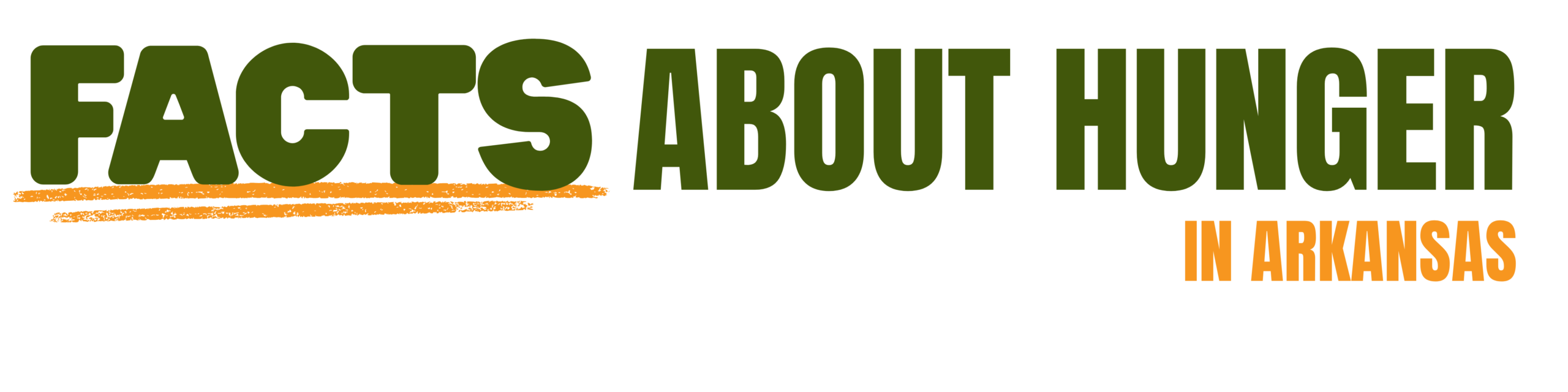
Hunger affects communities in all 75 counties across Arkansas. Factors such as household income, transportation barriers, employment opportunities, and access to affordable, nutritious food can impact a family’s ability to consistently put healthy meals on the table.



Statewide food access Interactive Map
The Arkansas Food Atlas is an interactive GIS tool that provides a comprehensive view of food insecurity across Arkansas. Explore food access indicators, population vulnerability metrics, agricultural production data, and county-level information on food insecurity, SNAP participation, and food distribution resources. The Atlas helps communities, organizations, and policymakers better understand local needs and make informed decisions to improve food access and strengthen food systems.

The Hunger Continuum provides a deeper look at the experiences of Arkansans facing food insecurity. Based on the 2025 Hunger in Arkansas Survey, this report highlights the different ways households experience hunger, including those who are not accessing assistance and those who continue to face challenges despite receiving support.

This report provides an in-depth look at the barriers affecting food access across Arkansas and offers recommendations for building a stronger, more equitable food system. Explore research, community insights, and strategies designed to improve access to healthy, affordable food for all Arkansans.
More Resources

Explore health and social conditions across Arkansas
A public-facing mapping tool built from the Arkansas Health Survey that helps users explore local health estimates, compare places, and download results for planning, reporting, and decision-making.

Food Security in Arkansas
Stay informed on the policies, research, and advocacy efforts shaping food security in Arkansas. This resource explores the issues impacting hunger and highlights opportunities to support lasting solutions.

Facts about Hunger in Arkansas
This resource provides an overview of food insecurity in Arkansas, including the scope of hunger, the communities affected, and the barriers that make consistent access to nutritious food challenging. Explore data and insights that help inform solutions to strengthen food security across the state.
Feeding America: Map the meal gap
Feeding America's Map the Meal Gap study provides estimates of local food insecurity and food costs on an annual basis to better understand people and places facing hunger.

Understanding SNAP in Arkansas
Explore key data and insights about the Supplemental Nutrition Assistance Program (SNAP) in Arkansas. This fact sheet highlights who SNAP serves, participation trends, and the program’s role in reducing hunger, supporting families, and strengthening food security across the state.
SNAP in Arkansas: Key facts & data
This fact sheet provides an overview of SNAP in Arkansas, including participation data, program impact, and key information about the households supported by nutrition assistance. Explore how SNAP helps strengthen food security and support healthier communities across the state.

Food Waste & Recovery Insights
Food waste and food insecurity are closely connected. The ReFED Insights Engine provides interactive data, research, and practical solutions to help communities reduce food waste, recover surplus food, and improve food system efficiency

Your questions - answered.
What is Food Insecurity?
Food insecurity is the USDA's term for a lack of consistent access to enough nutritious food for every person in a household to live an active, healthy life. It can mean skipping meals, eating less than needed, relying on low-cost foods that do not meet nutritional needs, or facing uncertainty about where the next meal will come from.
Food insecurity is not always visible. Many families experiencing food insecurity are working, raising children, attending school, caring for loved ones, or living on fixed incomes. They may struggle to afford enough food because of rising costs, unexpected expenses, low wages, illness, or other barriers.
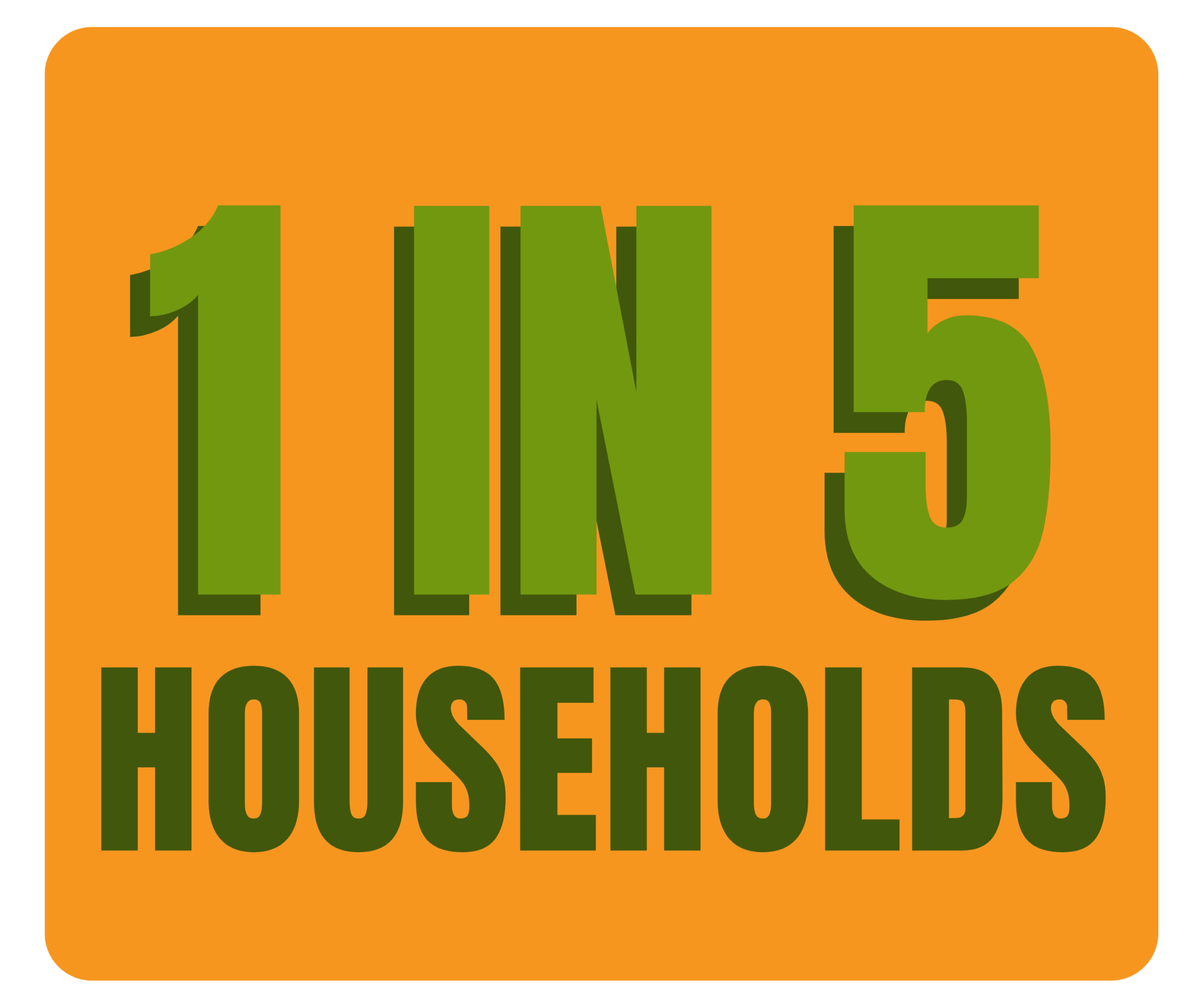
In Arkansas, food insecurity affects 1 in 5 people, meaning hundreds of thousands of our neighbors are unsure where their next meal will come from. Understanding food insecurity is the first step toward building a stronger, healthier, and more food-secure Arkansas.
What causes food insecurity?
Food insecurity is not caused by a lack of food. It is most often caused by a lack of resources and access to the food people need to live healthy, active lives.
Many factors can contribute to food insecurity, including low wages, unemployment, underemployment, rising housing and utility costs, unexpected medical expenses, transportation barriers, and limited access to grocery stores or healthy food options. A sudden job loss, illness, disability, natural disaster, or family emergency can quickly make it difficult for a household to afford enough food.
Some communities face additional challenges due to systemic barriers, including limited economic opportunities, inadequate access to healthcare, and gaps in public assistance programs. In rural areas, long distances to grocery stores and food assistance providers can make accessing food even more difficult.
Food insecurity can affect anyone, but children, older adults, people with disabilities, and households with low incomes are at greater risk. Addressing food insecurity requires a combination of strong community support, economic opportunity, and policies that help ensure everyone has access to the food they need.
How does Food Insecurity affect health?
When people do not have consistent access to enough nutritious food, their physical health, mental health, and overall well-being can suffer.
Children experiencing food insecurity are more likely to face developmental delays, difficulty concentrating in school, behavioral challenges, and poorer academic outcomes. Adults may experience increased stress, anxiety, depression, and a higher risk of chronic health conditions such as diabetes, heart disease, and high blood pressure.
Food insecurity can also make it harder for people to manage existing health conditions. Individuals may be forced to choose between buying food, paying for medication, covering housing costs, or meeting other basic needs. This can lead to delayed medical care, worsening health outcomes, and higher healthcare costs over time.
Access to nutritious food is a fundamental part of good health. When families have reliable access to healthy meals, they are better equipped to learn, work, grow, and thrive.
What is a Food desert?
A food desert is an area where residents have limited access to affordable, nutritious food, particularly fresh fruits, vegetables, whole grains, and other healthy options. Food deserts are often found in rural communities and some urban neighborhoods where there are few or no grocery stores within a convenient distance.
People living in food deserts may have to travel long distances to reach a supermarket or rely on convenience stores and gas stations that offer limited healthy food choices. Lack of reliable transportation, physical mobility challenges, and financial constraints can make accessing nutritious food even more difficult.
Living in a food desert can contribute to food insecurity and make it harder for individuals and families to maintain a healthy diet. While food deserts are one factor that can affect food access, they are not the sole cause of hunger. Income, transportation, housing costs, and access to food assistance programs also play important roles in whether families can consistently access the food they need.
Across Arkansas, many rural communities face challenges related to food access, making efforts to improve transportation, support local food systems, expand food assistance programs, and attract grocery retailers critical to reducing hunger and improving health outcomes.





Contact
200 West Capitol Avenue, Suite 1300
Little Rock, Arkansas 72201
Newsletter
The Alliance Alert goes out to members, advocates and others who want to stay up on hunger issues in Arkansas. See our latest newsletter.
Quick Links
© 2026 Arkansas Hunger Relief Alliance
All Rights Reserved | Website Design by Rock City Digital