The Stakes for Arkansas
Arkansas is already the most food-insecure state in the nation. According to the most recent USDA Household Food Security data, 19.4% of Arkansas households experienced food insecurity based on the three-year average from 2022 to 2024. That is nearly one in five households, and it is the highest rate recorded anywhere in the country. The national average is 13.7%.
Against that backdrop, the Supplemental Nutrition Assistance Program is not an optional safety net. It is the foundation. More than 240,000 Arkansans rely on SNAP each month, including children, seniors, people with disabilities, and working families. It is, by nearly every measure, the most effective anti-hunger tool available. And new federal policy is about to make it significantly more expensive for Arkansas to maintain.
What the New Federal Data Shows
The U.S. Department of Agriculture recently released Fiscal Year 2025 SNAP Quality Control data showing that Arkansas recorded a total SNAP Payment Error Rate of 8.81%.
It is important to understand what that figure means and what it does not. Payment error rates are not a measure of fraud. They measure instances where benefits were issued in incorrect amounts due to administrative complexity, eligibility determination challenges, or reporting discrepancies. These are system-level challenges common across states nationally. They are not indicators of abuse or intentional misuse.
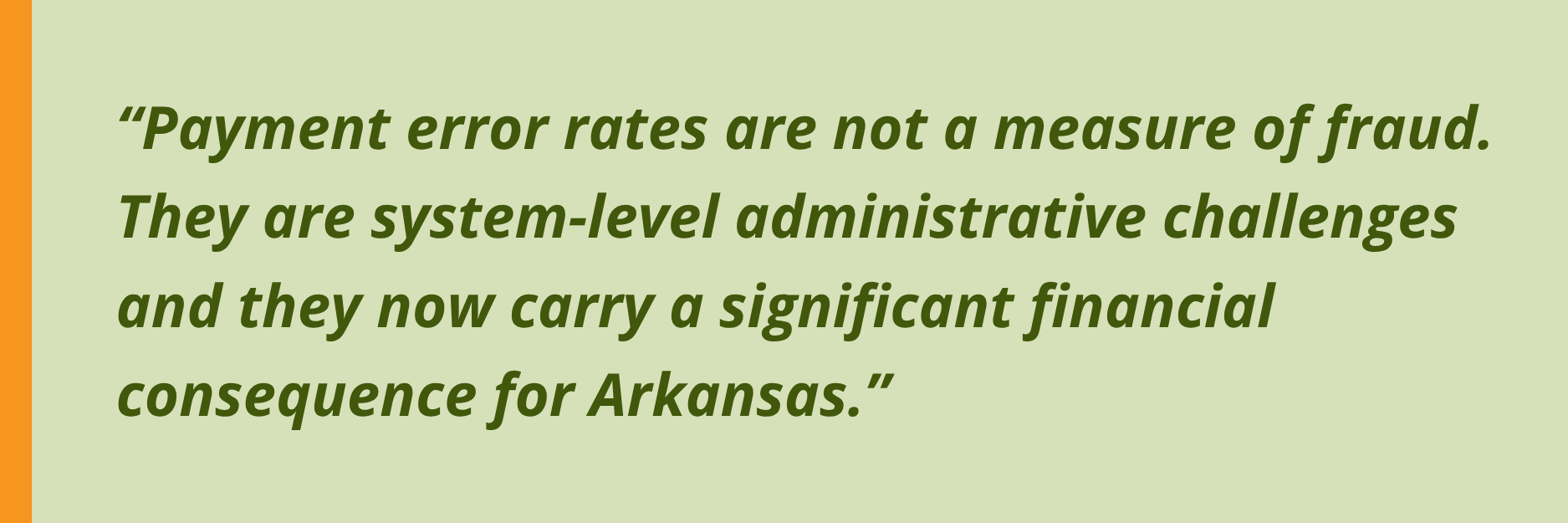
But under recently enacted federal policy changes, Arkansas's error rate now carries significant financial consequences that demand the attention of state leaders and the broader anti-hunger community.
What it will cost arkansas
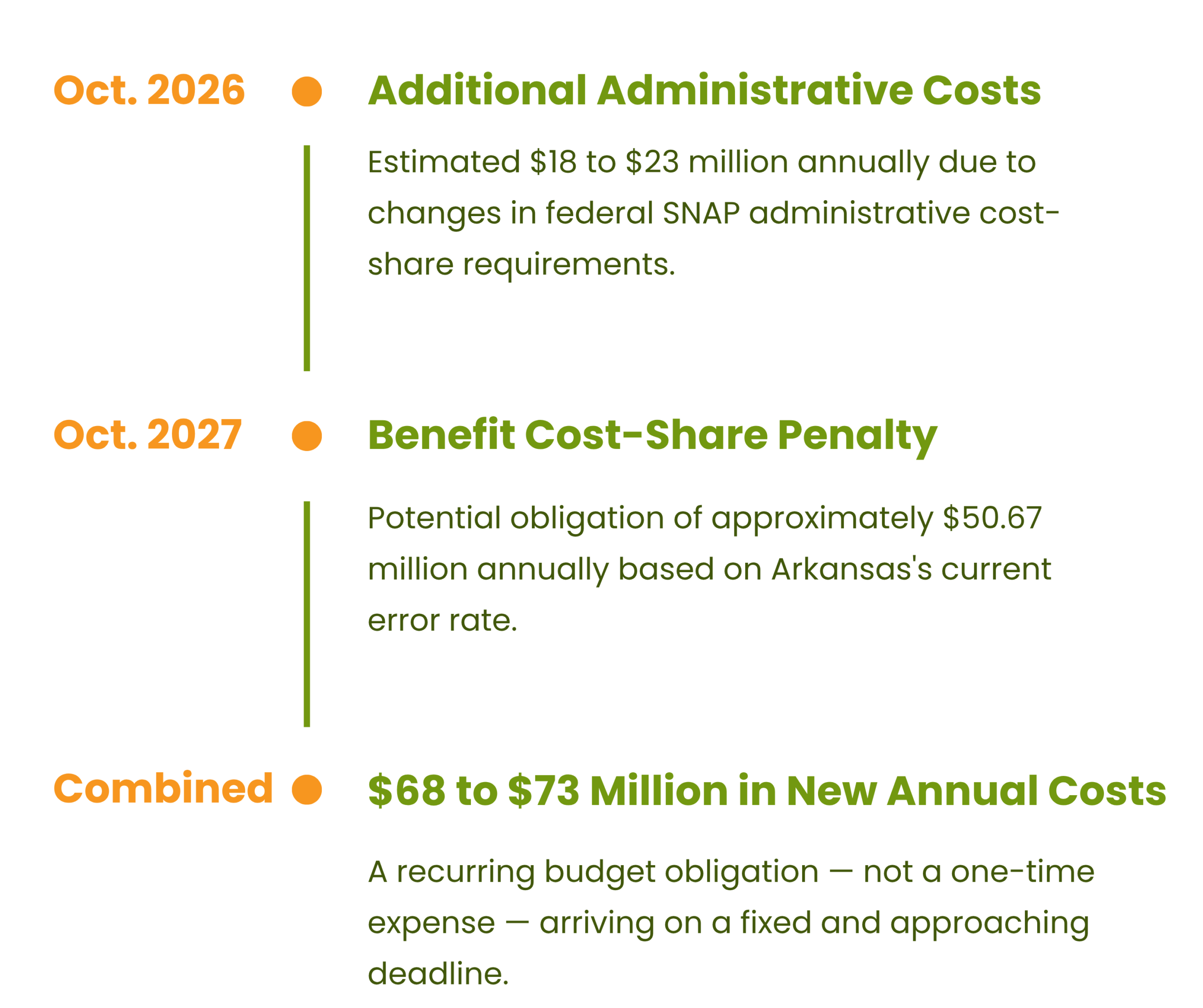
Beginning in Fiscal Year 2028, states will be required to share in the cost of SNAP benefits based on their payment error rates. States with rates between 8% and 10% will be responsible for covering 10% of their total SNAP benefit costs. At Arkansas's current rate of 8.81%, the state falls directly into that penalty range.
SNAP generates approximately $506.7 million in annual economic activity across Arkansas, supporting families and local economies in all 75 counties. Under the new cost-share structure, Arkansas could be required to contribute approximately $50.67 million of that annually beginning in October 2027.
That obligation does not arrive alone. A separate and already-approaching change adds to the pressure. The timeline below shows how the costs stack:
Why This Matters Beyond the Budget
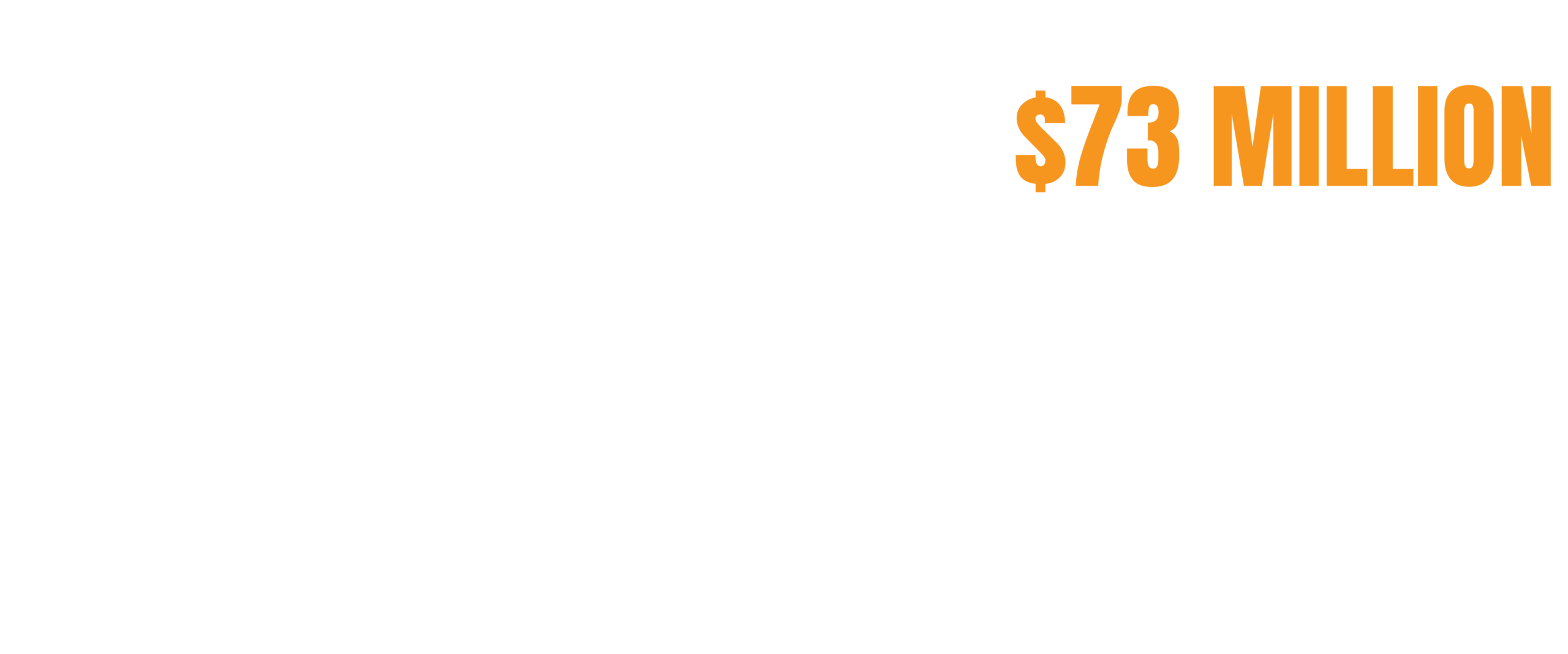
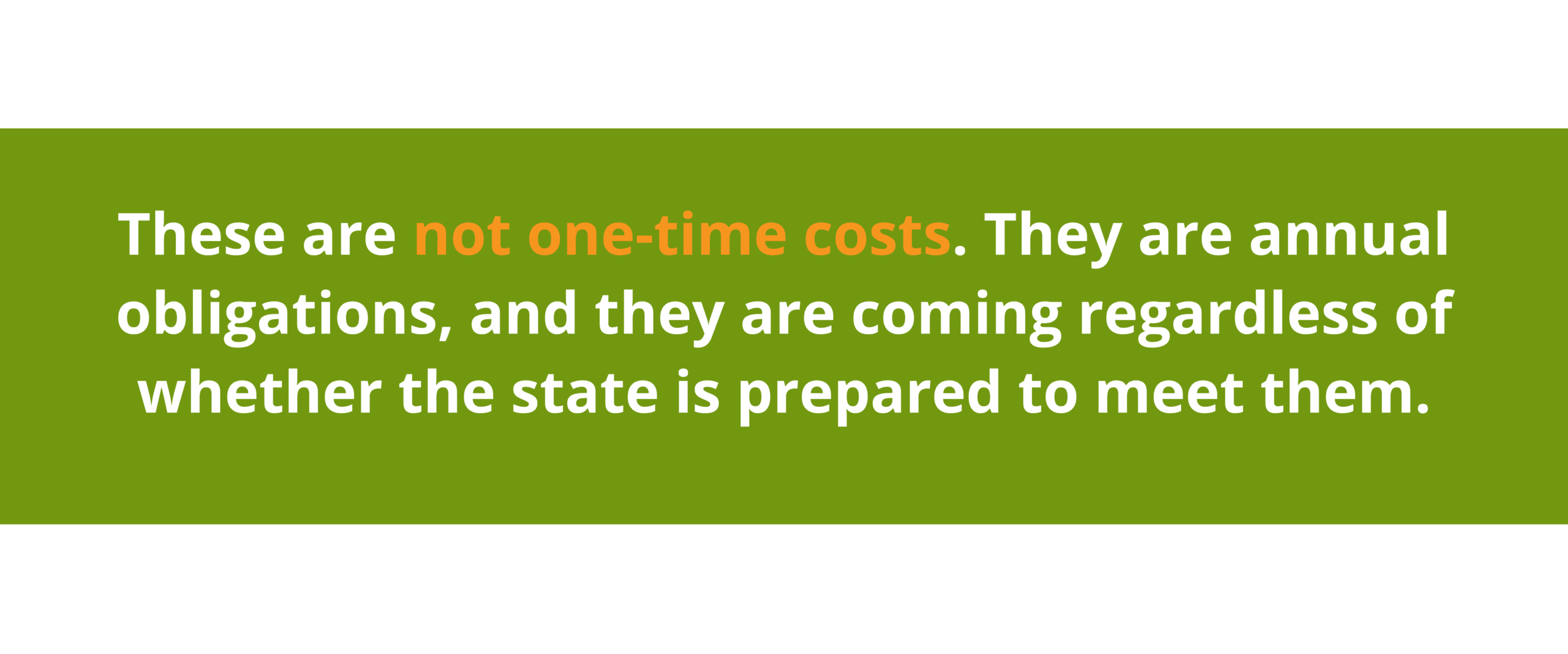
For any state, a $68 to $73 million increase in recurring program costs is a significant budget challenge. For Arkansas, where the need is greater than anywhere else in the country, the stakes are particularly high.
Every dollar redirected to cover federal cost-share penalties is a dollar no longer available for education, public health, infrastructure, or other critical state investments. And any erosion of support for SNAP administration risks increasing the error rates that triggered these penalties in the first place — a cycle that is difficult and costly to reverse.
There is also a direct human consequence. When state budget pressure weakens SNAP, the gap does not disappear. It shifts — to food banks, to community pantries, to emergency food providers already being asked to do more with less. Arkansas's charitable food system is strong, but it was never designed to replace a federal nutrition program serving nearly a quarter million people.
What Needs to Happen
The window to act is open, but it will not stay open indefinitely. Proactive investment in administrative accuracy, eligibility systems, and agency capacity made between now and FY2028 could meaningfully reduce Arkansas's financial exposure before the federal penalty structure takes effect.
Arkansas policymakers, state agency leaders, and the broader anti-hunger community have the information they need. The question now is whether the state will engage with these timelines deliberately — or find itself managing a preventable crisis on a fixed deadline.
The Arkansas Hunger Relief Alliance will continue monitoring these developments and keeping our partners, members, and supporters informed every step of the way. We are committed to serving as a resource for policymakers, agency leaders, and community partners as Arkansas navigates this challenge.
There is also a direct human consequence. When state budget pressure weakens SNAP, the gap does not disappear. It shifts — to food banks, to community pantries, to emergency food providers already being asked to do more with less. Arkansas's charitable food system is strong, but it was never designed to replace a federal nutrition program serving nearly a quarter million people.
These decisions are happening now, and policymakers need to hear from Arkansans.
Join our Advocacy Alert Network to receive timely updates and simple ways to contact elected officials when important hunger-related legislation is being considered.